EN-ICHI Opens Up the Future of Family and Community
【Voices of Japanese Parents Abroad_USA vol.1】Why I Chose a Home Birth and the “Survivalist” Reality of U.S. Healthcare
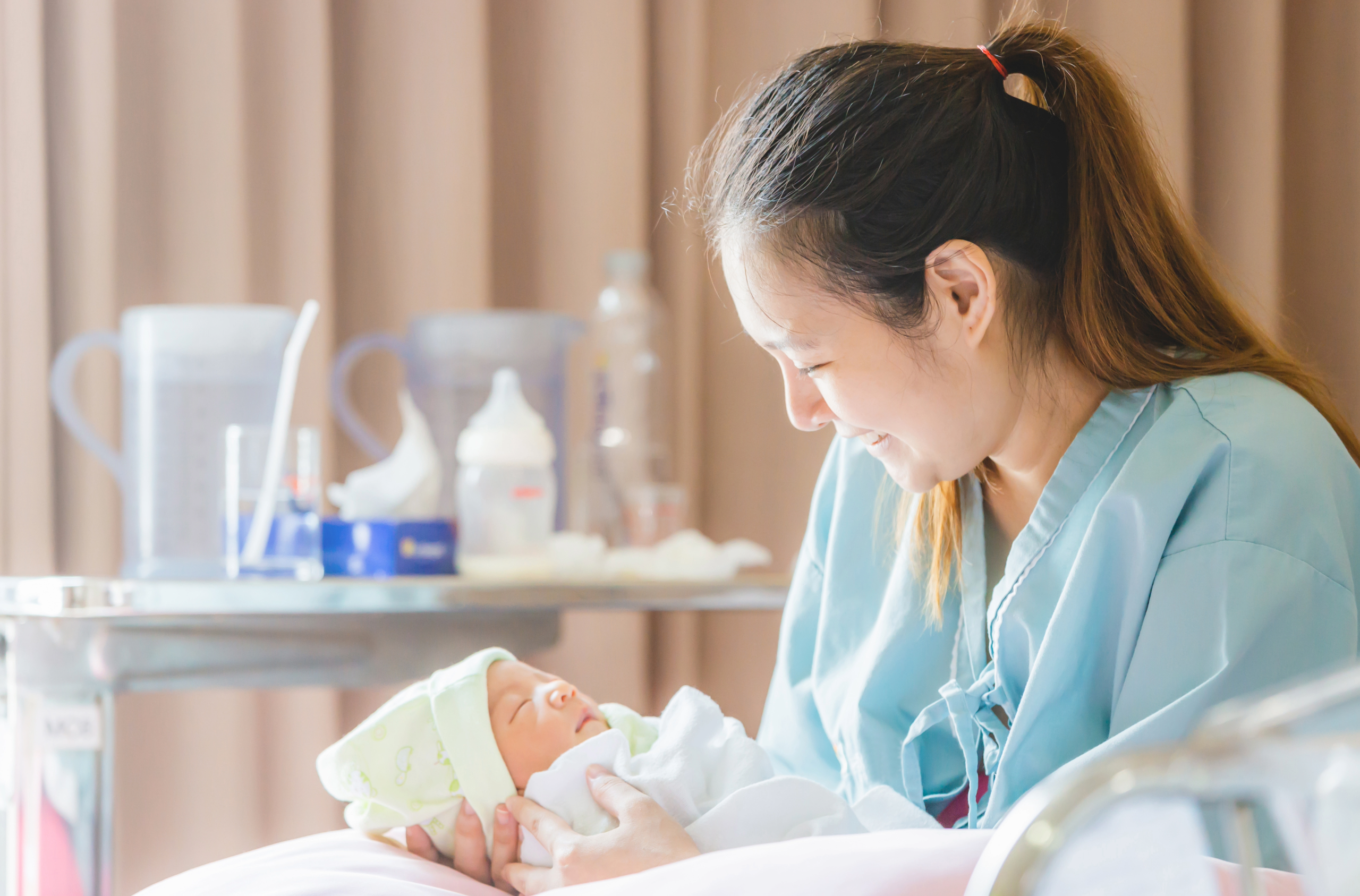
Yoriko has been living in the United States for 13 years and is raising her three-year-old daughter in Las Vegas with her Canadian husband. Through this interview, what emerges is a powerful story of parenting shaped by a system vastly different from Japan’s—one defined by “freedom and personal responsibility” in a society with fundamentally different social security and healthcare structures. In this first installment (of a three-part series), we focus on her experience of childbirth in the United States.
Giving Birth in a Country Without Universal Health Coverage
―You We understand that you gave birth at home. What led you to choose a home birth?
The biggest factor was the U.S. health insurance system. Unlike Japan, there is no universal public health insurance, and access to healthcare largely depends on private insurance. Even relatively affordable plans cost over $700 per month (around ¥100,000), and it is common to have high-deductible plans where coverage only begins after you pay up to $5,000 out of pocket.
In other words, for young and healthy individuals, it can sometimes seem more rational to forgo expensive insurance premiums and instead accept a certain level of risk while keeping cash on hand.
At the time, I had chosen not to enroll in insurance. That said, people working for large corporations often have access to employer-sponsored insurance, and low-income individuals may qualify for public assistance programs such as Medicaid. One of the defining characteristics of the U.S. system is the significant disparity in access to healthcare depending on employment status and income level.
—So you chose a home birth because you didn’t have health insurance?
Yes. If I had given birth in a hospital, even a natural delivery would typically cost around $10,000, and a cesarean section could exceed $20,000. The problem is that the total cost is rarely made clear in advance. Medical fees vary by provider, and in many cases, you don’t know the final amount until you receive the bill after delivery.
In contrast, home births are usually offered as a package deal with a midwife, covering prenatal checkups, delivery, and postpartum care for around $4,000–$5,000. The transparency of the cost was a major source of reassurance. Giving birth without knowing how much it would cost would have been a huge mental burden, so a home birth felt like a very viable option. (Of course, I was prepared to pay if complications arose and medical intervention became necessary.)
“Back to Normal” the Moment You Give Birth — A Spartan Postpartum Reality
—We heard that you had a water birth at home. What was the experience like?
I set up a large inflatable pool at home and gave birth in warm water. It was a relaxed environment where I could proceed at my own pace, which I really appreciated. Thankfully, the delivery itself went smoothly, but the real challenge came afterward.
In Japan, you usually stay in the hospital for 5 to 7 days, but American hospitals are very strict; if you have a natural birth, you are discharged in 48 hours, and even if you have a C-section, you are discharged in 3 to 5 days. With a home birth, it was "normal" from the moment I gave birth (laughs).
—Did you receive much support from the midwife after the birth?
The midwife simply said, “I’ll come back to check on you in a couple of days,” and left just a few hours after the delivery. There was no breastfeeding guidance, no instruction on bathing the baby, and no structured support for postpartum recovery like you would receive in a hospital. Since it was my first time giving birth, I honestly had no idea what to do.
The midwife advised me that “skin-to-skin contact is best for the baby,” and I followed that advice a little too faithfully—I kept my daughter naked for about a week (laughs). It wasn’t until a friend came over and asked, “Why isn’t she wearing clothes?” that I realized. That’s how much I was figuring everything out through trial and error.
When I hear friends talk about giving birth in Japan, I’m struck by how different it is. Compared to Japan’s highly supportive and comprehensive postpartum care, my experience in the U.S. felt like the complete opposite.
*Photo for illustrative purposes only
Family Dialogue・Column